Technology
Quantum Computing for Beginners: A 2026 Guide to Getting Started

It’s no longer a far-off dream to use quantum computing; it’s quickly becoming a reality. However, it could help solve complex problems and lead to significant advancements in medicine, finance, and artificial intelligence. This help is for you if you want to know what it is and how to start. Key ideas are explained simply and interestingly in Quantum Computing for Beginners. To follow along, you don’t need a degree in physics or computer science. All you need is a desire to learn and a bit of interest.
This blog covers everything you need to know, from quantum computing basics to where you can find helpful quantum technology tutorials. Knowing about quantum computing can help you, whether you’re a student, a tech fan, or a worker who wants to make sure their skills will be useful in the future. With more resources available to beginners than ever in 2026, now is the ideal time to start.
What does quantum computing mean?
There is a type of computing called quantum computing that uses the ideas of quantum physics. Quantum computers use qubits, which can be both 0 and 1 at the same time. However, classical computers use bits, which are 0s and 1s. Quantum computers can do some kinds of calculations much faster thanks to an idea called “superposition.” Entanglement is another trait that lets qubits affect each other even when they are far apart. Moreover, this helps quantum machines do things that classical computers have trouble with. If you want to learn more about Quantum Computing for Beginners, these are the main ideas you should start with. They’re the building blocks of the field and appear frequently in quantum computing basics and quantum technology tutorials.
Why Should You Learn Quantum Computing in 2026?
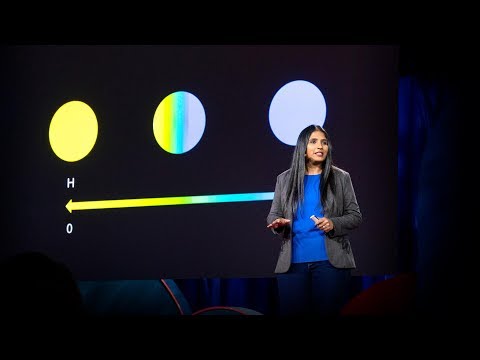
There has never been a better time to learn quantum computing than in 2026. However, quantum computers in the cloud are available to everyone through big tech companies like IBM, Google, and Microsoft. There are now educational sites with courses, simulations, and hands-on experiments that are just right for beginners. Universities and governments are putting money into quantum science, which is making more jobs available in this area.
This makes it easy for beginners to get to the tools and learning materials. More books, videos, and quantum technology tutorials are being published every month. Learning quantum computing basics now will prepare you for the future if you want to work in technology or are interested in it.
Essential Concepts in Quantum Computing
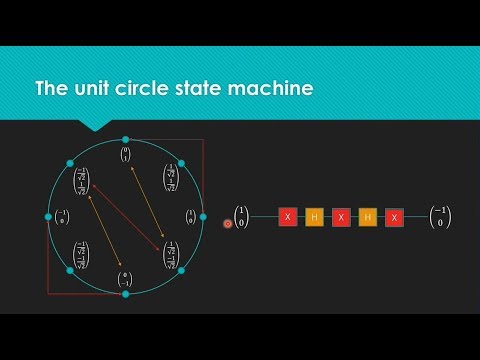
Before diving deeper, beginners should grasp key quantum concepts:
Qubits: Units of quantum information that can exist in multiple states.
Superposition: The ability of a qubit to be in more than one state at once.
Entanglement: A link between qubits, where the state of one affects the other instantly.
Quantum Gates: The building blocks of quantum algorithms.
Quantum Circuits: Combinations of gates that process quantum information.
These are essential to any comprehensive guide on quantum computing basics. As you start learning, try using online simulators to see how these principles work in action. A strong foundation here will help as you follow quantum technology tutorials and more advanced materials.
Tools and Platforms to Get Started
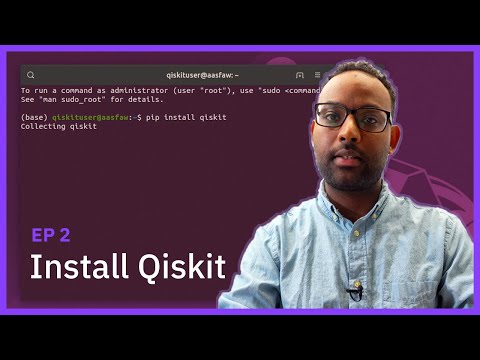
Getting started with quantum computing for beginners is easier with the right tools. You can play around with real quantum systems on platforms like IBM Quantum Experience and Microsoft Azure Quantum. Visual tools, code editors, and simulations on these platforms make it easy for newbies to learn by doing.
Beginners can also explore easy computer languages, like Python-based Qiskit, which developers often use to write quantum algorithms. Coursera, edX, and YouTube are all great places to find great quantum technology tutorials to help you with your projects.
Don’t forget to begin small. Do easy tasks to start and slowly improve your skills. These tools make learning quantum computing basics hands-on, practical, and fun.
Tips to Stay Motivated and Keep Learning
It might be hard to start learning quantum computing, but don’t let that stop you. Start with easy ideas and give yourself time to grasp them. Watch beginner lessons, use visual aids, and play games or quizzes that help you remember what you’ve learned.
Sign up for online groups or sites where you can ask questions and see how other people are doing. Sites like Stack Overflow, Reddit, and Discord have groups dedicated to quantum computing for beginners.
Set daily small goals, like reading an article or finishing a lesson, and stick to them. Keep an eye on your progress and enjoy the little wins. This method helps you stay motivated and lets you learn the quantum computing basics over time.
How Quantum Computing Will Shape the Future
Quantum computing isn’t just a fad; it’s a strong tool that will change the way we solve issues in the future. It could change fields like healthcare by speeding up the creation of new drugs or making cybersecurity better by using better encryption methods. Quantum breakthroughs can help with logistics, banking, and even predicting the weather.
The need for skilled workers is likely to grow as more companies use quantum solutions. That’s why today is a good day to start learning. You can stay ahead of the curve if you learn about quantum computing for beginners. Whether you work as a coder, researcher, or tech-savvy executive, this information will help you be a part of the innovations of the future.
Conclusion
Quantum computing may sound hard to understand, but it’s surprisingly easy to learn with the right help and tools. You don’t need a high-level degree to start with this 2026 guide to Quantum Computing for Beginners. When you learn the basics, like qubits, superposition, entanglement, and quantum gates, you can do a lot of cool things. Now is the best time to learn more about this cutting-edge subject because there are more tools than ever before, such as quantum technology tutorials, online simulators, and live lessons.
The world of tomorrow will need people who know about quantum systems. Today, you can start a path of exciting possibilities. You can start with this guide if you’re interested in technology or want to make it your job. Always look into things and ask questions. Remember that even the smartest quantum scientists started with just a little interest. Jump in and start your trip into the quantum world!