
Technology
Introduction to Python for Data Analysis


Python is now one of the most popular computer languages in the world, especially for analyzing data. It is ideal for anyone who wants to make decisions based on data, as it is simple, flexible, and equipped with powerful tools. Learning Python is a good idea whether you want to be a data scientist, a business analyst, or just someone who wants to know how to get useful information from data. It’s clear and easy to understand how to use Python for data analysis in this blog.
We’ll examine its most important tools, explain how they work in conjunction with AI, and direct beginners to resources for learning. It doesn’t matter if you’ve never written code before; this guide will help you. Many people start their journey with AI Python for beginners tools and then use the best Python tutorials for beginners to move on to more advanced ideas. And thanks to the internet, you can now learn Python free course options that fit any schedule. For a confident and clear start, let’s talk about Python data analysis.
Why Choose Python for Data Analysis?
Python is an excellent language for data analysis because it is easy to learn and has a robust ecosystem. It’s easy to clean up, change, and show data with libraries like Pandas, NumPy, and Matplotlib. With these tools, even people who aren’t good at code can get results. Python is continually improving because it is an open-source language. It now features tools that facilitate advanced analytics and machine learning. That’s why many introductions to AI using Python start with Python.
It’s great even if you don’t know much about computers because it’s easy to learn. Python has a strong group behind it as well. You can find help on a huge number of forums, blogs, and classes. If you want to get started fast, consider checking out a learn Python free course to build a strong foundation. To sum up, Python is currently the best language for data processing because it is both powerful and easy for beginners to learn.
Core Python Libraries for Data Analysis
When diving into Python data analysis, it’s important to know the tools of the trade. Python has powerful tools specifically designed for working with data. Pandas is one of the most well-known tools for working with and analyzing data. The software makes it easy to load datasets, clean data, and perform tasks such as sorting and filtering. NumPy is the next Python library. It is great for doing math. It works with arrays and matrices, which lets you do math quickly.
For data representation, Matplotlib and Seaborn are used to create graphs and charts that facilitate an easy understanding of the data’s meaning. These core libraries are useful and easy for beginners to understand, so many of the Many best Python tutorials for beginners focus on these core libraries because they are practical and beginner-friendly. There’s a good chance that you’ll learn about these libraries early on in an AI Python for beginners lesson. Explore these libraries through hands-on examples by enrolling in a learn Python free course or online bootcamp. They will become your best friends in the world of data.
Learning Path for Beginners
Starting your Python data analysis journey doesn’t have to be overwhelming. You can get better over time by taking small steps. To start, learn about variables, data types, loops, functions, and variables. Once you feel comfortable, learn how to use tools like Pandas to work with datasets. Today, there are lots of ways to learn. For those new to programming, an AI Python for beginners course is a great way to blend coding with practical examples.
If you’re on a tight budget, you can easily find a learn Python free course online that covers everything from installation to basic analytics. Break up your learning into stages. Start by focusing on the basics of Python. After that, add extra files like Pandas and Matplotlib. After work, do small jobs like looking at weather data or sales trends. The best Python tutorials for beginners are the ones that mix theory with hands-on practice. They keep things interesting and boost your confidence in your abilities.
Real-world applications of Python Data Analysis
Even if you understand the theory, it all makes more sense when you see how Python data analysis works in the real world. Companies use Python to keep track of how customers act, guess what sales will be, and make supply chains run more smoothly. Healthcare professionals review patient information to develop more effective treatment plans. Even sports teams use data to decide what to do during a game. When you read about AI Python for beginners, you’ll see a lot of examples of real-world datasets being used. For example, you might see examples of how to look at tweets, sales reports, or COVID-19 trends.
These examples show you how what you’ve learned can be used to solve real-world issues. Many of the best Python tutorials for beginners utilize project-based learning to help individuals who are just starting. These projects, such as creating a system that suggests movies to watch or visualizing the Earth’s temperature, are both enjoyable and useful. As you improve, platforms offering a learn Python free course often include case studies to help deepen your understanding. The real power of data analysis is shown when you see Python used in the real world.
Conclusion
Getting started with Python data analysis is one of the smartest choices you can make today. Python opens up a wide range of possibilities, from understanding customer behavior to identifying trends and making informed decisions based on data. It’s great for both beginners and experts, as it’s easy to use and comes with a wide range of libraries. Python is a great choice if you want to learn about business, science, or artificial intelligence.
Many learners find that starting with AI Python for beginners resources or choosing the best Python tutorials for beginners gives them a structured path to success. The good news? You can begin without spending money. There are plenty of learn Python free course options that are both high quality and beginner-friendly. Time, interest, and a desire to learn are all you need. You can learn useful skills and even find new job opportunities by putting in just a few hours a week. Python isn’t just a computer language; it’s also a powerful way to solve problems in the modern world.

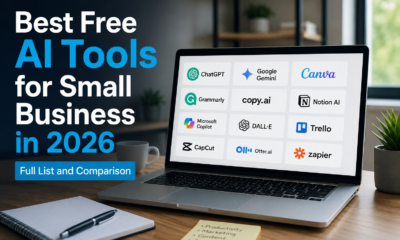








The year 2026 marks a significant shift in technology, transforming how small businesses operate, expand, and support their clients. The rise of Agentic AI Tools is one of the most interesting changes. These tools are more advanced than regular automation because they can make informed decisions, learn from data, and work independently to complete complex tasks. They work great for small businesses that need to get more done with less money and time.
Agentic AI platforms help small businesses boost efficiency and stay competitive by automating tasks such as customer service, inventory management, and marketing. Technologists use the term “Autonomous AI tools” to describe systems that think, plan, and act with little help from a person. AI workflow automation tools driven by agentic models are very useful for entrepreneurs and startups because they save time and make tasks easier. This article discusses five of the best Agentic AI Tools for small businesses in 2026. It will also show you how these systems can change the way you do your job.
TaskMind – The Ultimate Workflow Optimizer
TaskMind is the leader in AI workflow automation, designed specifically for small teams and solopreneurs. Smart algorithms enable this powerful agentic AI tool to plan, assign, and execute tasks across departments. It learns from how people use it and suggests more effective ways to perform everyday tasks. TaskMind automates the entire process while still allowing you to stay in control, whether you’re managing inventory, handling invoices, or scheduling meetings.
It doesn’t just follow rules like older software did; it changes and thinks like a smart helper. TaskMind integrates seamlessly with many common business software applications, including Slack, Trello, and QuickBooks. It is one of the most useful and agentic AI platforms. Less work needs to be done repeatedly, allowing teams to focus on the most important tasks. TaskMind is a good choice if you want to save time and get better results without adding more people. It’s ideal for companies that want smart tools to handle the hard work without constant supervision.
BrandGenie – Autonomous AI for Content and Marketing
Marketing can be time-consuming, but BrandGenie offers a complete solution using Autonomous AI tools. This agentic AI platform plans campaigns, writes emails, creates social media posts, and even develops marketing strategies without needing constant monitoring. It understands the company’s tone, what the audience likes, and the marketing goals. It learns what works best over time and adjusts its methods accordingly. BrandGenie also provides you with information about how your projects are performing, so you can identify what’s working and make adjustments right away.
A small business that doesn’t have a full-time marketing team but still wants to look professional and be busy online should use it. As one of the most advanced Agentic AI Tools, BrandGenie makes AI marketing feel human. It makes AI marketing feel like a person does it. You have more time to run your business because it takes care of the creative and technical chores. BrandGenie’s self-planning feature gives you a significant advantage, whether you’re launching a new product or trying to boost engagement with your brand.
AutoServe – Smart Customer Support Without the Overhead
Small businesses often struggle with providing effective customer service. AutoServe changes the game by giving your customer interactions autonomous AI tools. This agentic AI tool handles questions, returns, follow-ups, and cases that require escalation—all without the need for a full team. It acts like a person talking to you and learns from each exchange to give you better help next time. AutoServe isn’t like other chatbots because it connects to your CRM and support tools.
It anticipates what customers want and helps them avoid problems before they arise. For instance, it can identify trends in complaints and notify business owners of persistent issues. AutoServe is one of the most reliable agentic AI platforms on the market today because it can smartly solve problems. AutoServe is a good investment if you want to keep customers happy without incurring additional expenses. Customers will be pleased with the high-quality assistance you can provide 24/7, and your employees will have more time to focus on other tasks.
FinPilot – Financial Automation with Decision-Making Power
One of the most time-consuming aspects of running a small business is managing finances. FinPilot makes things easier by using Agentic AI Tools that help with more than just accounts. It can analyze your cash flow, identify unnecessary spending, send you bill reminders, and even suggest investments that are best suited for your business. Based on real-time data, this agentic AI tool determines how to manage money. It also keeps up with tax laws and notifies you about any upcoming changes or deadlines.
With AI workflow automation at its core, FinPilot ensures that financial tasks like budgeting, invoicing, and forecasting are handled without errors or delays. It ensures that financial tasks such as budgeting, billing, and forecasting are completed accurately and efficiently, without errors or delays. FinPilot is the best way for businesses to manage their finances without hiring a full-time accountant, as it seamlessly integrates with banking systems. FinPilot gives you better control over your money and a better understanding of your business’s finances, all in one safe and simple package.
HireBotics – Smarter Hiring and HR Automation
Due to a lack of funding, small businesses often have trouble hiring people and managing HR. That changes with HireBotics’ Agentic AI Tools, which are made for hiring, onboarding, and handling employees. This AI tool can write job descriptions, screen applicants, schedule interviews, and even provide feedback tailored to the role’s needs. HireBotics doesn’t just use keywords; it also employs deep learning to assess factors such as cultural fit, long-term potential, and soft skills.
It also automatically conducts performance reviews and tracks employee satisfaction, ensuring they are both happy and productive at work. If you want to have an HR department in your pocket, HireBotics is the best agentic AI platforms. HireBotics accelerates the hiring process and enhances the quality of the candidates selected by leveraging AI workflow automation. It saves time and reduces paperwork while helping small businesses hire more effectively. HireBotics will still be useful after 2026 if you want to add people to your team without adding to your stress.
Conclusion
From 2026 on, small businesses that want to stay ahead will need to use Agentic AI Tools. These tools do more than just automate chores; they also help people think critically, act independently, and continue learning. The way business is conducted is changing due to agentic AI platforms like TaskMind, BrandGenie, AutoServe, FinPilot, and HireBotics. These platforms help you manage your team and funds, find new customers, and provide excellent customer service. Small businesses can work smarter, not harder, when they utilize Autonomous AI tools.
These technologies are leveling the playing field, allowing even small businesses to compete effectively with larger ones. With built-in AI workflow automation, they reduce errors, boost efficiency, and free up time to focus on strategy and growth. These Agentic AI tools are ready to help you make your business smarter. The future is now, and it’s smart, useful, and made just for you. AI can help your small business grow in 2026.

It’s no longer a far-off dream to use quantum computing; it’s quickly becoming a reality. However, it could help solve complex problems and lead to significant advancements in medicine, finance, and artificial intelligence. This help is for you if you want to know what it is and how to start. Key ideas are explained simply and interestingly in Quantum Computing for Beginners. To follow along, you don’t need a degree in physics or computer science. All you need is a desire to learn and a bit of interest.
This blog covers everything you need to know, from quantum computing basics to where you can find helpful quantum technology tutorials. Knowing about quantum computing can help you, whether you’re a student, a tech fan, or a worker who wants to make sure their skills will be useful in the future. With more resources available to beginners than ever in 2026, now is the ideal time to start.
What does quantum computing mean?
There is a type of computing called quantum computing that uses the ideas of quantum physics. Quantum computers use qubits, which can be both 0 and 1 at the same time. However, classical computers use bits, which are 0s and 1s. Quantum computers can do some kinds of calculations much faster thanks to an idea called “superposition.” Entanglement is another trait that lets qubits affect each other even when they are far apart. Moreover, this helps quantum machines do things that classical computers have trouble with. If you want to learn more about Quantum Computing for Beginners, these are the main ideas you should start with. They’re the building blocks of the field and appear frequently in quantum computing basics and quantum technology tutorials.
Why Should You Learn Quantum Computing in 2026?
There has never been a better time to learn quantum computing than in 2026. However, quantum computers in the cloud are available to everyone through big tech companies like IBM, Google, and Microsoft. There are now educational sites with courses, simulations, and hands-on experiments that are just right for beginners. Universities and governments are putting money into quantum science, which is making more jobs available in this area.
This makes it easy for beginners to get to the tools and learning materials. More books, videos, and quantum technology tutorials are being published every month. Learning quantum computing basics now will prepare you for the future if you want to work in technology or are interested in it.
Essential Concepts in Quantum Computing
Before diving deeper, beginners should grasp key quantum concepts:
Qubits: Units of quantum information that can exist in multiple states.
Superposition: The ability of a qubit to be in more than one state at once.
Entanglement: A link between qubits, where the state of one affects the other instantly.
Quantum Gates: The building blocks of quantum algorithms.
Quantum Circuits: Combinations of gates that process quantum information.
These are essential to any comprehensive guide on quantum computing basics. As you start learning, try using online simulators to see how these principles work in action. A strong foundation here will help as you follow quantum technology tutorials and more advanced materials.
Tools and Platforms to Get Started
Getting started with quantum computing for beginners is easier with the right tools. You can play around with real quantum systems on platforms like IBM Quantum Experience and Microsoft Azure Quantum. Visual tools, code editors, and simulations on these platforms make it easy for newbies to learn by doing.
Beginners can also explore easy computer languages, like Python-based Qiskit, which developers often use to write quantum algorithms. Coursera, edX, and YouTube are all great places to find great quantum technology tutorials to help you with your projects.
Don’t forget to begin small. Do easy tasks to start and slowly improve your skills. These tools make learning quantum computing basics hands-on, practical, and fun.
Tips to Stay Motivated and Keep Learning
It might be hard to start learning quantum computing, but don’t let that stop you. Start with easy ideas and give yourself time to grasp them. Watch beginner lessons, use visual aids, and play games or quizzes that help you remember what you’ve learned.
Sign up for online groups or sites where you can ask questions and see how other people are doing. Sites like Stack Overflow, Reddit, and Discord have groups dedicated to quantum computing for beginners.
Set daily small goals, like reading an article or finishing a lesson, and stick to them. Keep an eye on your progress and enjoy the little wins. This method helps you stay motivated and lets you learn the quantum computing basics over time.
How Quantum Computing Will Shape the Future
Quantum computing isn’t just a fad; it’s a strong tool that will change the way we solve issues in the future. It could change fields like healthcare by speeding up the creation of new drugs or making cybersecurity better by using better encryption methods. Quantum breakthroughs can help with logistics, banking, and even predicting the weather.
The need for skilled workers is likely to grow as more companies use quantum solutions. That’s why today is a good day to start learning. You can stay ahead of the curve if you learn about quantum computing for beginners. Whether you work as a coder, researcher, or tech-savvy executive, this information will help you be a part of the innovations of the future.
Conclusion
Quantum computing may sound hard to understand, but it’s surprisingly easy to learn with the right help and tools. You don’t need a high-level degree to start with this 2026 guide to Quantum Computing for Beginners. When you learn the basics, like qubits, superposition, entanglement, and quantum gates, you can do a lot of cool things. Now is the best time to learn more about this cutting-edge subject because there are more tools than ever before, such as quantum technology tutorials, online simulators, and live lessons.
The world of tomorrow will need people who know about quantum systems. Today, you can start a path of exciting possibilities. You can start with this guide if you’re interested in technology or want to make it your job. Always look into things and ask questions. Remember that even the smartest quantum scientists started with just a little interest. Jump in and start your trip into the quantum world!

Ethereum has been one of the most influential cryptocurrencies since its launch in 2015. It gained immense popularity among developers and investors due to its smart contracts and decentralized applications. On the other hand, Ethereum has undergone significant changes over the years. With Ethereum 2.0, one of the most significant changes was the transition from Proof of Work (PoW) to Proof of Stake (PoS). The goal of this change was to make the network more scalable and use less energy.
Now that it’s 2026, many people want to know: Can you still mine Ethereum? The answer may not be as clear now that the Ethereum blockchain no longer relies on standard mining. This blog will discuss the current state of Ethereum, the impact of the switch to staking, and what options are available to those who previously mined ETH. Here is everything you need to know about Ethereum in the year 2026, including whether mining is still an important part of its environment.
The End of Proof of Work for Ethereum
With an update called “The Merge” in September 2022, Ethereum’s mining process came to an end. Proof of Work (PoW) was replaced by Proof of Stake (PoS) with this significant change. Miners used very fast computers to figure out hard problems and get rewards in the PoW model. PoW, on the other hand, consumed a significant amount of energy and generated environmental problems. That’s why the people who work on Ethereum switched.
Ethereum no longer needs miners because of PoS. Instead, validators risk ETH to keep the network safe. Randomly selecting these validators to verify deals and add new blocks is how they perform their job. As a result, GPUs and ASICs, which were once used for mining, are no longer suitable for Ethereum. Now that it’s 2026, the answer is clear: you can’t mine Ethereum the old way anymore.
Ethereum Staking: The New Way to Earn ETH
Although you can no longer mine Ethereum, you can still stake to support the network. This is what Proof of Stake is all about. You need to deposit 32 ETH to become a validator. You can earn reward points for verifying deals. This method is easier to access and uses less energy than mining.
Don’t worry if you don’t have 32 ETH. You may join a pool for stakes. With these pools, money from multiple users is combined to reach the required amount. Then, the prizes are divided based on the amount each person contributed. As of 2026, staking is the standard way to help the Ethereum network and make money without doing anything. Mining is over, and holding is the new thing to do. For the blockchain’s long-term health, it’s also safer and more flexible.
What Happened to Ethereum Miners?
Miners had to decide what to do after Ethereum moved to Proof of Stake. Their pricey mining gear was no longer useful for Ethereum. Other miners transitioned to mining other cryptocurrencies, such as Ergo (ERG), Ravencoin (RVN), or Ethereum Classic (ETC). Some miners sold their hardware. Proof of Work is still used for these coins, and GPU mining is still possible. However, these options don’t generate as much revenue or remain as stable as Ethereum has.
Many miners lost money because the rewards were low and the cost of power was high. Others utilized their powerful GPUs to expand into new areas, such as cloud computing or AI processing. In 2026, most people who previously mined Ethereum have either transitioned to other jobs or ceased working in the field altogether. The end of ETH mining marked the end of a chapter, but it also prompted people to think of new ways to utilize their hardware and skills.
Can You Still Mine Any Form of Ethereum in 2026?
Forks and other networks, like Ethereum, that use Proof of Work are still in existence in 2026, but Ethereum itself can’t be mined. One example is Ethereum Classic (ETC), which is the first form of Ethereum before it split in two in 2016. Mining is still possible on Ethereum, and its community is very loyal. You could also try alternatives like “ETHPoW,” a fork that kept the PoW model after the Merge.
However, these networks are typically smaller and generate less revenue. Not as many people want them, and they’re not worth as much as ETH. To ensure that mining them is worth the cost of energy and hardware upkeep, you need to perform extensive calculations. In short, you can no longer mine the main Ethereum (ETH) system. You can only mine coins that resemble Ethereum or originate from it. Before you put your time or money into a mining project in 2026, you should know the difference.
Should You Invest in Ethereum in 2026?
In 2026, Ethereum remains a viable investment option, despite the fact that mining is no longer feasible. Many autonomous apps, NFTs, and smart contracts run on it. In the world of DeFi (Decentralized Finance), Ethereum is also the leader. The network functions more efficiently now that Proof of Stake is in use, and gas fees have decreased. This makes it easier to get more people and developers.
Staking is a new way to get benefits, and Ethereum is always adding new features. ETH investors can generate profits from network growth, staking, and the coin’s value appreciation over time. If you don’t want to stake directly, you can use ETFs or crypto sites that offer staking services with fewer restrictions. So, Ethereum is still a useful asset even if you don’t mine it. It remains the leader in crypto, boasting strong growth and practical applications in the real world.
Conclusion
Since the early days of mining and the Proof-of-Work consensus system, Ethereum has come a long way. The network has entered a new era with the successful launch of Ethereum 2.0 and its transition to Proof of Stake. In 2026, you won’t be able to mine Ethereum the way you used to. Powerful tools once solved puzzles, but that process is no longer used. But that doesn’t make Ethereum less interesting.
It is bigger, faster, and uses less energy now than it did before. Staking has replaced mining, giving users new ways to earn benefits and support the network’s operation. “Can you still mine Ethereum in 2026?” This is the question that people ask. The answer is no, at least not the Ethereum that most people are familiar with. You can still have a say in its future, though, by buying or staking. Ethereum remains the leader in cryptocurrency, and its evolution has paved the way for other blockchains to follow suit in the years to come.
-
 Business2 years ago
Digital Marketing for Doctors: Effective Strategies for Medical Marketing
-
 Business2 years ago
How to Start and Grow a Digital Marketing Agency in 2025
-
 Business2 years ago
Best SEO Tools for Small Businesses: A Beginner’s Guide
-
 Business2 years ago
The Ultimate Guide to Amazon Advertising: Mastering Amazon Ads for Success
-
 Business2 years ago
Best Guide to SEO Companies for Small Businesses
-
 Crypto1 year ago
Top Altcoins Outperforming Bitcoin in 2025
-

 Business1 year ago
How to Buy Trump Coin in 2025: Step-by-Step Guide + Price Prediction Insights
-
 Technology1 year ago
The Invisible Tech You Use Every Day Without Knowing It